
Installing Bathroom Waterproof Flooring
When installing bathroom flooring we have all seen the results of a poorly installed bathroom floor. Loose broken tiles, lifting linolium, rotten plywood subfloor sheathing and mold damage.
The cost to have a contractor repair this type of damage can run in the thousands of dollars. We will guide you in repairing and Waterproofing your bathroom yourself saving you a load of money.
Evaluate the condition of your bathroom floor
Inspect your bathroom floor starting with the floor covering. Look for lifting of linoleum at the corners and discoloration. Is the grout between the tiles missing stained or moldy?
This could mean the wood subflooring is also damaged. Remove the tiles or linolium and test for moisture using a meter and visually check for mold.
If moisture is detected it could be in a small area of the floor. In this case you can just replace that section of floor or patch the damage. In any case the floor needs to be smooth level and completely dry to move forward.
Types of waterproof flooring
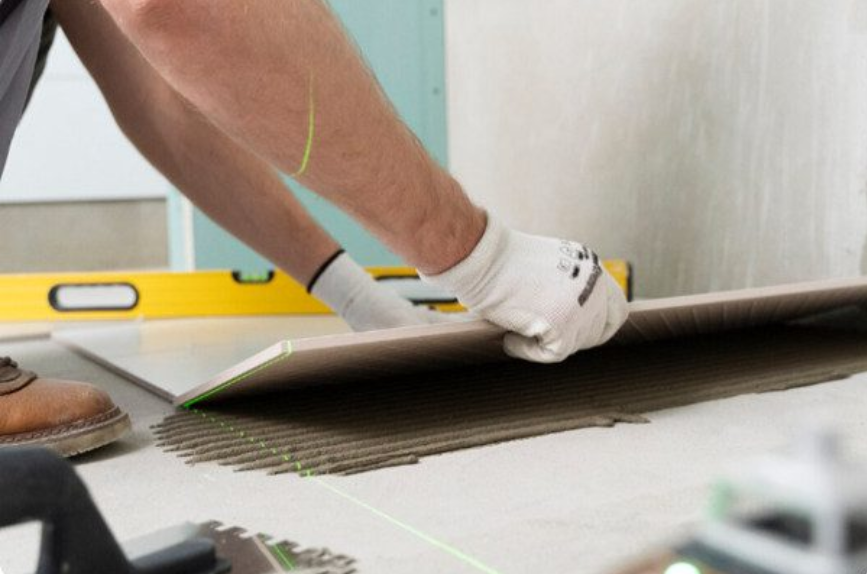
The go to product for waterproofing bathroom floors has always been ceramic or porcelain tile and linolium. Tile floors require wet board installed over the subflooring that adds additional thickness to the floor which needs to be compensated for during transitioning from the bathroom to other rooms.
Tiles can last 30 to 50 years when properly installed as long as the grout is sealed annually. Linolium comes in many patterns, is easy to roll out and install on properly prepared subflooring.
Another option is waterproof vinyl planks. This type of waterproof flooring snaps together similarly to laminate flooring and requires no glue. Vinyl planks are do-it-yourself friendly and effective.
Cost of different types of waterproof flooring
The cost really depends on the design want. Tile flooring can range from $1 per sq ft up to $10 or $20. It all depends on what you want.
Vinyl planking runs anywhere from $2 to $10 per square foot professional installation excluded. There are literally hundreds of design and pattern options available..

Required waterproof underlayment and grouts
The plywood subfloor is not waterproof so another layer that is must be installed over it before installing the flooring. For tile that product is called Wonder Board or a water vaper shield if installing tile over concrete. For vinyl planks a water barrier foam underlayment is enough on both surfaces.
Grout is used between tiles and must be sealed every 6 months to remain waterproof and resist staining. Any cracked or missing grout will allow water to seep through.
Maintaining waterproof flooring
Vinyl planks just need to be cleaned on a regular basis and are pretty much maintenance free while tile grout needs to be sealed every 6 months and repairs require immediate attention to maintain the grout’s waterproof properties.
By Peter Carr