The Difference Between Harmless Mold And Toxic
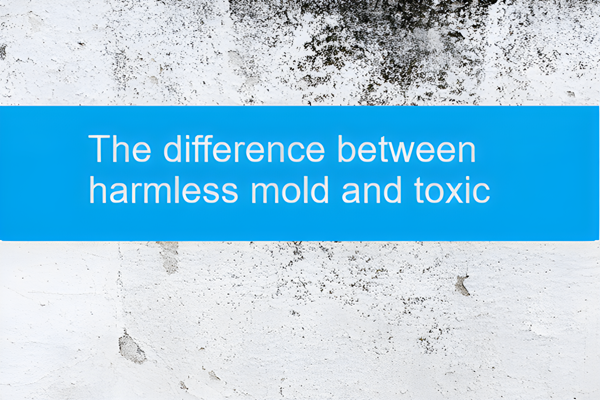
Mold harmless and toxic are an unwanted guest in any home. At first sight of mold many people think the worst that it is toxic black mold when in fact most mold you will find is not toxic at all.
There are mold spores in every home and what is scaring people are the horror stories we hear about homes being destroyed and people getting sick. In this guide we will explain the different types of mold, how to identify them and how to remove them from your home.
What are mold spores
Mold spores are individual mold and are naturally in the air. They enter your home through open windows and doors. They can get on your clothes and enter your house even ride in on your pets.
Mold spores only become a problem when they multiply rapidly and form colonies. This happens when they are exposed to moisture, low heat, humidity and food source like sheetrock or wood products.
Identifying harmless mold versus toxic mold
Common household mold and mildew are harmless types of mold. Harmless mold forms on shower enclosures, exterior fencing, around sinks and is easily wiped off of smooth surfaces.
Stachybotrys or what is commonly known as “black mold” is toxic appearing slimy or wet. When dry black mold is like a powder and this type of mold requires special treatment to remove safely.
Black mold can also be orange in color, brown and dark green. This type of mold should not be disturbed.
Other signs of mold include a musty smell or wet newspaper odor. This type of odor indicates mold is growing. Mold can be growing behind a wall or tiled shower, under your carpeting or in the crawl space of your house.
Symptoms of poor air quality due to black mold
Black mold spores inhaled at high levels result in negative health symptoms like coughing, sneezing, running nose and eye irritation. The elderly, infants and asthma patients may get severe reactions including lung infections.
In severe cases the mycotoxins from black mold exposure can effect the whole body causing fatigue, brain fog, tremors and rashes.
Safely cleaning black mold and when to hire a professional
Small areas of mold only on non porous material can be cleaned by scrubbing with a mixture of dish soap and warm water. Do not use bleach on any porous surface as you are not getting the roots of the mold that are embedded in the material and the mold will just come back.
Protect yourself by wearing disposable gloves, eye protection and wash your clothing after your are done cleaning mold.
Large areas of black mold require the expertise of a professional mold removal team. Disturbing mold spores can make them airborne and spread the mold to other rooms in the house.
The experts have the right tools and machines to keep that from happening. A mold team will contain the affected area and remove the toxic mold.
In any case the source of moisture be it a leaking pipe or moisture seeping through a shower wall must be repaired before starting any cleanup efforts as mold will form again in a couple days if moisture is allowed to remain.
Protect your home against toxic black mold
Besides repairing leaks and sealing wet areas like tiles surrounds controlling humidity is the key to stopping mold colonies. A 30% to 50% humidy is optimal. In Basements use a dehumidifier during high humidity periods.
Make sure that your basement walls are sealed to prevent moisture from seeping into the space. Always exhaust moisture in bathrooms and kitchens with fans and inspect your home for mold on a regular basis.
By Peter Carr