
A Guide To Waterproofing Your Basement
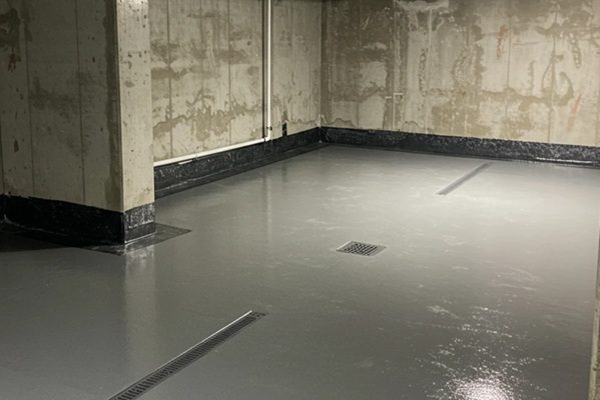
An unprotected basement can lead to mold, foundation damage and property value loss. Waterproofing your basement is essential to protecting your investment and property.
Wet weather causes dampness damaging carpet, wall coverings and furniture even a small leak in your basement can cause damage over time. Our guide will help you determine if your have water leaks in your basement and repairs you can make to resolve them.

Basement Waterproofing Defined
Waterproofing your basement includes sealing walls, installing a membrane and providing drainage to protect against water intrusion. This can be accomplished from the interior, exterior or both.
- Interior waterproofing focuses on fixing issues from inside the house.
- Exterior waterproofing involves working on the outside of your foundation before water seeps in.
Basement Water Problems Include
- Trapped water putting pressure on basement walls
- Cracked basement walls and floors allowing water to penetrate
- Soil not sloped away from the foundation
- Clogged rain gutters or downspouts draining directly on foundation
Basement Waterproofing Benefits
- Increases the value of your home
- Better air quality
- Protection against future damage
- Healthier space
Indications That Your Basement Needs Waterproofing
- Staining on walls and floors. Water pooling on the basement floor or where the wall meets the floor.
- Musty odors. mildew and visible mold on walls and furnishing.
- Visible moisture on walls with powdery white film.
- Cracks that keep getting bigger.
- Peeling paint and rust on metal are sign of moisture or humidity issues.
There is a test you can do with plastic wrap. Tape clear plastic wrap tight to the basement wall in the suspected area of moisture using duct tape. Let sit 24 hours. If moisture forms on the inside of the plastic wrap next to the wall there is moisture seeping through the wall. If there is moisture on the outside of the plastic facing the room then there is high humidity in the room.
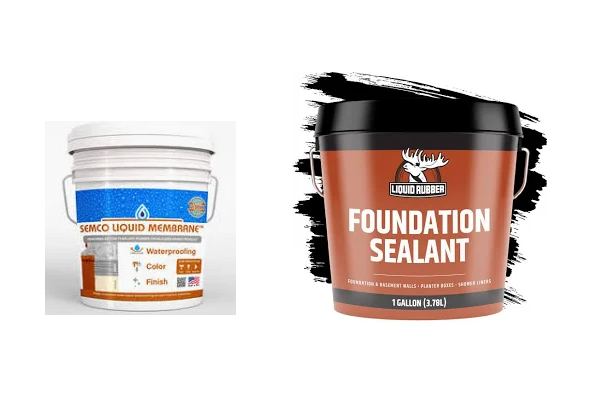
Basement membranes and sealants like Semco and Liquid Rubber are just two products of many that can be used to waterproof your basement. With proper prep of the surface and reinforcement of joints you can get years of protection for your basement.
These methods are easy to apply can withstand high pressure are elastic and safe to use. This method is used for small to moderate cracks, seepage and moisture. Large gaps and foundation shifting require other methods or professional assistance.
Ways To Waterproof Your Basement
- Dig around your basement walls.
- Install drainage tiles and sump pumps.
- Grade the soil outside to slope away from your foundation, directing water away.
- Installing floor drainage to the interior of the basement.
- Application of waterproof coatings to interior/exterior walls, floor and installing strong membranes.
- Seal cracks with a flexible sealer.
- Inject cracks with polyurethane foam or epoxy.
- Extend rain gutter downspouts to drain away from the house.
Most people say that grading the soil to slope away from the foundation and adding clay soil helped to solve their basement problem. If You Need To Hire A Professional check their licensing with your local contractor’s board. Also check reviews and get a quote that includes warranty information.
Regular Maintenance
Even after repairs are completed it is smart to check your basement for cracks and water leaks every 6 months. Catching problems early can save you time and money. Be sure to clean gutters and downspouts regularly and to monitor the soil on the exterior of your foundation.
A portable dehumidifier can help with removing moist air from your basement. It works by pulling the humid basement air over cooling evaporator coils condensing and removing the moisture then pumping this moisture into a holding tank or drain. The air is then re-heating and blown back into the basement.
If you installed drains or sump pumps check them regularly for clogs and to make sure they drain and are pumping the water out properly.
Government grants available to elderly and low income to mitigate basement issues
The USDA Rural Development Office has a program under Section 504 Home Repair that issues loans to the elderly and low income homeowners for repairing, improving and modernizing their homes to mitigate safety and health related issues up to $50,000.
These funds may be used to remove toxic mold and other health related wet basement problems including safety hazards. Applicants must be low-very low income to apply.
Visit their website and click on your State for more information.
By Peter Carr