
How To Choose The Right Tile
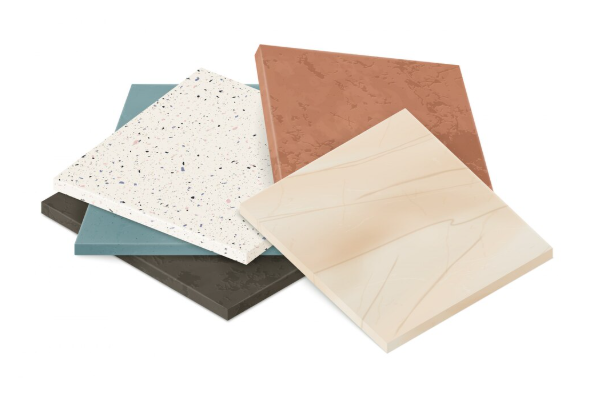
How to choose the right tile involves a little bit more then just picking a color or pattern. The right tile can make a wet area like a shower floor safer by providing a slip resistant covering or provide a long lasting surface in the well traveled entry of your home. Things to consider when choosing a tile include moisture exposure, foot traffic, surface cleaning, slip resistance, temperature and if the tile is for interior or exterior installation.
Take into consideration the room that the tile will be installed. You wouldn’t want to purchase floor tile if you are tiling a kitchen countertop or a sink backsplash. In this guide we will help you pick the right tile for your specific project.

Wet location tiles for kitchen and bath
Porcelain Tile: A good choice for wet locations. Porcelain tile is durable and harder to cut then ceramic tile, has very low water absorption and is very dense. This type tile can be used on shower and bathroom floors including exterior wet locations.
Ceramic Tile: Is lighter than porcelain tile and great for using on shower walls. Glazed waterproof ceramic tile is also used for countertops and sink backsplashes.
Natural Stone: Can be used in wet locations on floors and walls but is porous requiring regular sealing to resist moisture and staining.
Glass Tile: Is slippery when wet and should only be used to accent shower walls or for building shower surrounds.
These tile selections will perform well over properly prepared walls and sub-flooring per the specs of their respective manufacturers.
Exterior tile selection
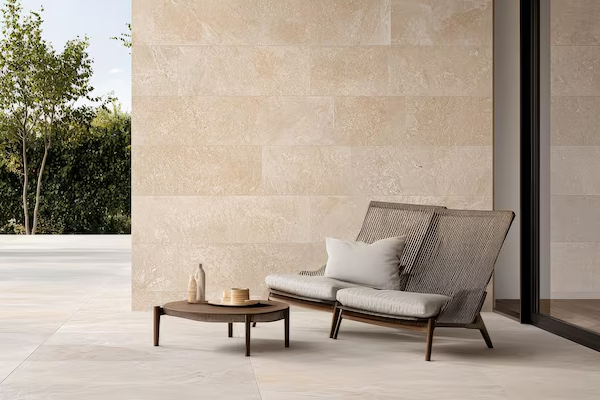
Exterior tile used as a wall covering or flooring on entryways, patios, exterior walls and porches will encounter extreme sunlight, rain, dirt, shifting temperatures, and in some cases freezing and thawing. Choosing the right tile is vital and you must take into account slip resistance, moisture absorption and most important durability.
Interior products including tile grout and adhesives may fail due to the harsh environment exterior flooring is exposed to.
Porcelain tile may be used in exterior applications on properly prepared and stable surfaces. Porcelain is a dense ceramic and durable product suitable for heavy foot traffic, wet areas, and exterior application in most instances. Porcelain tile requires less maintenance than natural products.
Ceramic tile is less preferred for exterior application as a flooring but can be used as a wall covering and on exterior countertops that are protected from the elements. Ceramic tile is not as dense or as waterproof as porcelain tile making it susceptible to damage by standing water or cracking. If installing ceramic tile in an exterior setting it is best to use in mild dry climates where freezing and thawing is not a problem. Again ceramic tile must be installed on stable properly prepared substrates using the correct adhesive and grout for exterior application.
Natural stone is a good choice for exterior flooring, countertops and wall covering adding strong character. Natural stone like granite, travertine, slate and limestone require regular maintenance and sealing. The chosen stone must meet thickness, exposure and maintenance requirements.
Natural stone must be able to handle the elements such as rain, freeze-thaw, extreme temperature, dirt, heavy foot traffic and constant moisture during the rainy season. Natural stone can vary in appearance greatly so get samples of the exact product you will be using before ordering. Make sure the stone you are ordering can be used for your specific application.
Tile ratings and safety
When choosing a tile research the manufacturer’s data on specific tiles. A matte tile or glossy tile does not determine if the tile is slip resistant or not. The current manufacturer’s data, including the Dynamic Coefficient of Friction rating or DCOF which measures the tile’s ability to resist slipping will help you choose the right tile product for your project based on slip resistance.
A higher DCOF rating means the better your floor’s slip resistance will be when wet and people walk on it. The lower the DCOF rating means your floor will get more slippery and become a safety issue as it ages.
Avoid poor tile choices
Choosing a tile based on color or pattern alone is asking for problems. Choosing a tile should be based on the installation location and conditions in that area such a moisture, traffic, slip resistance requirements, type of substrate and safety. It is not always recommended to use an interior tile for exterior applications. Always follow the manufacturer’s installation requirements and use the proper adhesives and grout.
By Leo Rosa
