Better Performance And Life From Tool Batteries
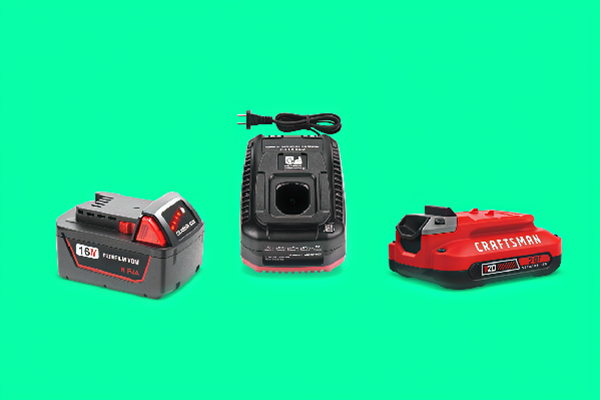
Failing to charge and store your tool batteries properly can result in poor performance and shorter life. Bateries need to be handled with care and inspected before use. For longer life and battery power follow our professional guide to battery storage and maintenance.
Increase battery life by properly charging your batteries
Proper charging not only requires reading the manufacture’s manual it requires actually following their recommendations. Each battery type has a specific charging method. If not followed the battery can degrade and the cells can be permanently damaged. This damage can result in less use time and failure of the battery in a short period of time. Never use damage batteries with your power tools.
Different types of power tool batteries and charging
There are three major types of batteries used for powering your tools.
- Lithium-ion (Li-ion) batteries are the most popular and are readily available for standard tool use. They are very forgiving when it comes to charging memory and rarely have capacity loss.
- Nickel-Cadmium (NiCad): Are an older type of battery. Make sure you let them completely lose their charge before recharging or they will keep the lower charge in memory and never fully charge again ruining the battery.
- Nickel-Metal Hydride (NiMH): Are batteries that are mid-range with easier to maintain charge memory if properly maintained per manufacturer instructions
The key to long life of your batteries is to always follow the manufacture’s maintenance and charging instructions and only use the correct charger when charging your batteries.
Modern battery charging safety features
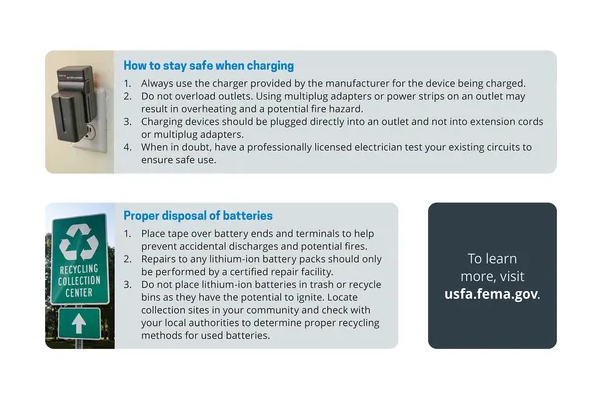
Batteries and chargers today have built in safety features that protect against overcharging your batteries. When a battery is fully charged a microchip switches the charger off or to trickle charge.
This protects the battery from overheating or causing a fire. It is almost always recommended that you remove the battery from the charger when it reaches 100% charged.
It is also vital that you only use the charger that came with the battery. The original charger has safety features some other chargers may not have and the correct voltage.
How hot and cold temperatures effect tool batteries
Hot and cold temperatures are not good for your tool batteries. Storing the batteries properly will extend the battery life.
The ideal temperature for storing batteries is between 50 and 77 degrees. When the temperature is too hot batteries degrade faster.
When temperatures exceed 77 degrees the charge is reduced and performance is effected. Don’t store your tool batteries in the hot sun protect them in the shade and in a cool toolbox.
Cold can also effect battery performance. Batteries stored in cold temps make it hard to start tools until the battery warms up.
Avoid damaging your battery
A damaged battery can cause power failures and shorts within the battery while harming the tool it is supposed to run.
Even the smallest of dents in the case can compromise the cells, start fires and result in failure. Properly store the battery avoid leaving on concrete and protect the electrical contacts.
Before using a battery for your tools inspect it for cracks and dents. Check the contacts for damage and make sure that they are secure.
If the battery is swollen it must be thrown out but not in the trash. Batteries that are damaged or have holes can catch fire. They must be disposed of at a hazardous waste facility.
Maintaining your batteries by following the manufacturer’s recommended safety and maintenance schedule will allow you to get maximum life out of your batteries. Always use the recommended voltage battery for your power tool to avoid damaging tht tool.
By Peter Carr