DIY Air Conditioner and Heater Maintenance
The average cost to replace a central air conditioner and heating system is $12,000. This is why it is so important to perform annual maintenance on your current HVAC system.
Performing simple maintenance on a regular bases is a DIY project and will extend the life of your system while keeping it operating properly. As always follow safety procedures and call a professional if a task is beyond your skill level.

How Your AC and Heater Work
The air conditioner works by removing heat to the outside of your home with the help from an inside coil and and exterior heat pump replacing that heat with cool air.
To heat the home the process is reversed with the aid of the heat pump. The system has many parts that work together providing a comfortable climate in your home no matter what the weather conditions are outside.
These parts require maintenance and include coils that need cleaning filters that need replaced and other routine maintenance that you can do yourself.
HVAC System Common Maintenance Issues
The number one cause of air-conditioning and heating problems in central air systems is bad air flow cause by a clogged air filter. Other common problems are:
• Clogged drain lines
• Dirty coils
• A bad thermostat
While serious issues like leaking refrigerant and damaged parts require a professional these simple problems can be resolved by you the homeowner.
Tools And Supplies you Will Need
• Screwdrivers (flat and Phillips head)
• Vacuum cleaner with brush attachment
• Multimeter for electrical checks
• Spray Coil Cleaner
• Pliers and wrenches
• Correct sized new air filters
• Lubricating oil for motor & fans
• Safety supplies gloves goggles
• Dust mask
Cleaning and Replacing Air Filters
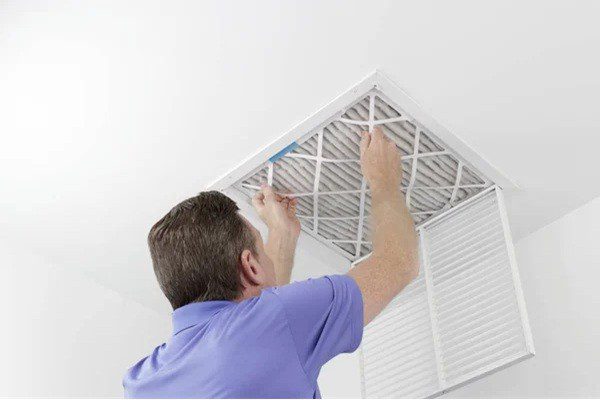
AC air filters are generally found in a wall vent return or in the ceiling. An air filter can also be found in the air handler that houses the fan motor and coil.
The air handler is located in a garage or a closet inside the house.
Some air handlers have reusable filters that need to be washed. All disposable filters must be replaced every 3 months. A dirty HVAC air filter blocks airflow and puts stress on the system effecting performance.
Steps For Maintaining Your Heating & Air System
• Turn the HVAC system off at the breaker.
• Locate the filter—usually near the return vent or in the air handler.
• Remove the old filter carefully.
• Insert a new, clean filter.
• Turn the system back on.
Cleaning Coils and Fins
Evaporator Coils/Fins are located inside the air handler. The outside heat pump is also wrapped in coils and fins. Both need to be cleaned regularly for efficient heating and cooling.
• Turn off the breaker for the outside heat pump and the air handler.
• Remove the access panel to the air handler and locate the coils typically bright aluminum.
• Spray coil cleaner on the coils and clean the coils following instructions on the can of cleaner.
• Be gentle with the fins to avoid bending them.
Vacuum inside the air handler to remove dust and debris.
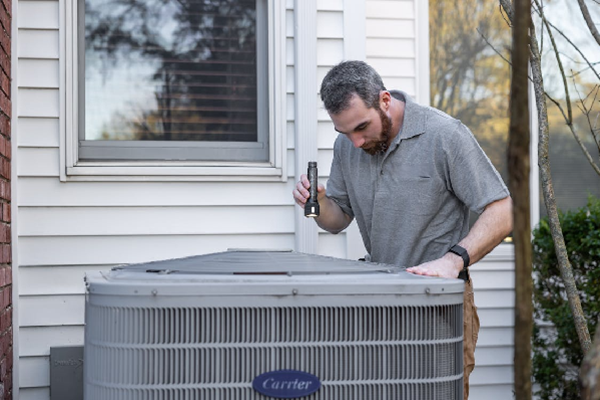
The outside heat pump coils are protected by a metal cover surrounding the entire heat pump. If you look through the opening you will see the coil and fins. These need to be cleaned also. This can be done by blowing them out with compressed air and rinsing with a water hose or they can be sprayed with coil cleaner and rinsed with a water hose then allowed to dry before turning the heat pump back on.
Clearing The Condensation Drain Line
Clogged drain lines cause water damage and mold. Water that evaporates onto the coils inside the air handler will drain into channels under the coils and out a PVC drain line. The following procedures will help keep those lines clear.
• Turn off the system.
• Locate the condensation drain line opening inside the air handler.
• Flush out with a mixture of water and vinegar.
• Use a pipe cleaner if needed.
• Regular flushing prevents backups. Make sure the solution comes out the other end of the pvc pipe.
Check Electrical And Thermostat
Inspect electrical components inside the air handler with the power off. Look for frayed wires and burned connections. Remove the heat pump electrical cover and inspect also. Re install all covers and tighten all screws.
Turn the breakers back on for the system and test the thermostat in cool and heat modes. Check air flow at the floor or wall vents. If the thermostat is working properly you are done. Keep notes for your next scheduled maintenance or for any issue you should discuss with a professional.