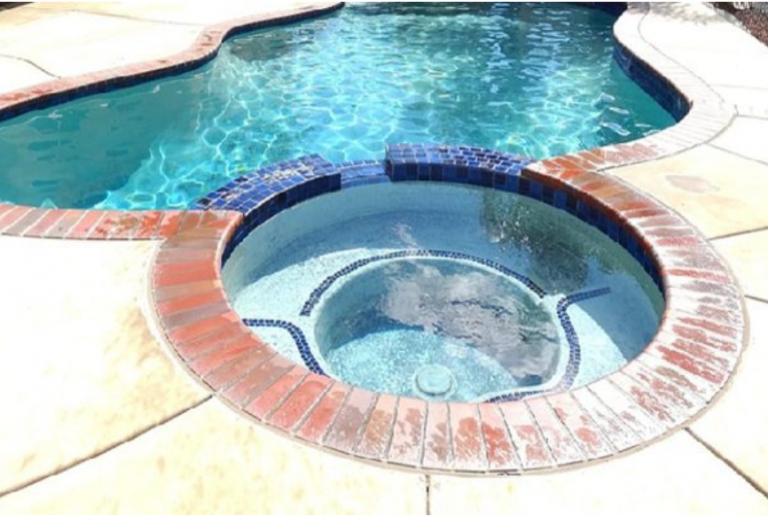
Painting A Pool With A Fresh Coat Of Paint
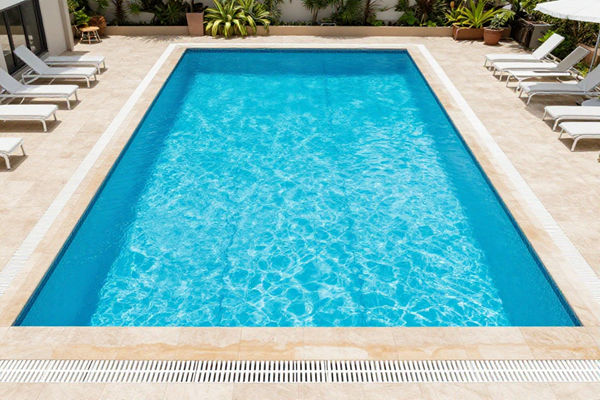
Could your swimming pool use some TLC? Years of chemical use and swimmer load can take a toll on your pool’s surface. Give your pool a face-lift by painting your pool..
Painting a pool not only extends the life of a pool but it allows for a more enjoyable experience for swimmers. The process is a do-it-yourself project that requires focus and ability to follow directions.
This guide will provide step by step instruction by professional pool service personnel with 25 years experience in pool maintenance. Once completed you will have a durable finish that will last for years and your swimming pool will look beautiful again.
More then just pool paint…
Painting your swimming pool provides more then just a fresh look. Pool paint provides a layer of protection between the aging plaster or concrete and chemicals that can cause damage.
Unbalanced water alone can cause damage and staining. Replastering your pool is too costly. Paint is a very economical choice when it comes to protecting your pool.
With a paint you can easily change the color and freshen up the pool area while increasing the value when selling your home.
Choosing the Right Pool Paint
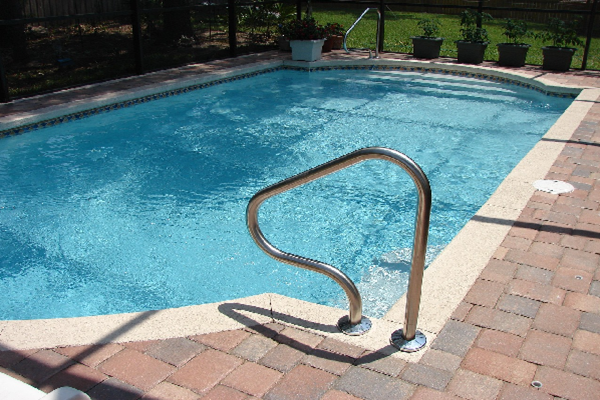
There are several choices in paint available to do the job. The cost can range from $60 to $300 depending on which one you choose. The most expensive and most durable are 2-part epoxy paints. Epoxy pool and spa paints last up to 10 years and are the recommended coatings by pool professionals worldwide.
One part epoxy pool paint is easier to work with but not as durable as 2 part epoxy.
If your pool has some cracking a rubber based paint is recommended as these paints can expand or contract as needed. Rubber based is also easier to apply then epoxy but have a shorter life of 2-5 years.
Things to consider are your budget , the paint’s lifespan and the type of surface you will be painting. It is best to read the manufacturer’s label to learn how to apply their specific paint. We have outlined general guidelines and steps below.
Drain The Pool
Before you drain the pool call your city offices to determine any restrictions. A sump pump placed in the deep end connected to a waterhose will help drain the pool completely without damaging the pool pump.
Prep And Cleaning
For a successful paint project proper preparation of the surface is vital. All dirt debris, visible algae and oils must be removed for the pool paint to adhere properly. A good scrubbing with a cleaner specifically formulated for swimming pool surfaces and powerwashing should be followed by acid washing using a pool Muriatic Acid solution.
The Muriatc Acid solution consists of 1/3 gallon Miriatc Acid to 2/3 gallon water mixed in a plastic pale. Follow all safety precautions on the label. Wear a chemical respirator , eye protection, gloves, long sleeved shirt and pants. Wash all clothing immediately following acid washing.
The Muriartic acid solution that accumulates at the pool drain must be nutralized with baking soda before being pumped out of the pool.
Crack Repairs
All repairs need to be made with a suitable pool repair kit including any cracks in the pool. Once repairs are completed sanded and smooth let the pool dry completely. This can take several days. When dry check for any moisture in the surface and clean up any loose debris before painting.
The Painting Process
It is best to have all you supplies at the ready. Make sure you are using good quality brushes and rollers. Double check that you have the correct amount of pool paint.
Paint on a day you know for sure it won’t rain. Start painting just under the coping tile working down the wall to the bottom of the pool. Do the same even if spraying the paint on with a compressor sprayer. Overlap your strokes and keep the paint edge wet while applying light coats not heavy. Work your way from the deep end of the pool and out at the steps. Check again to make sure you have good coverage.
Expect to apply a least two coats. Check for uneven, streaked paint poor coverage before applying additional coats. Fix these areas first then apply your final coat of paint.
Following the paint manufactures instructions allow the paint to dry and cure exactly as directed. After curing you may fill the pool with water. Use a clean garden hose.