Tips For Finding And Removing Bathroom Odors
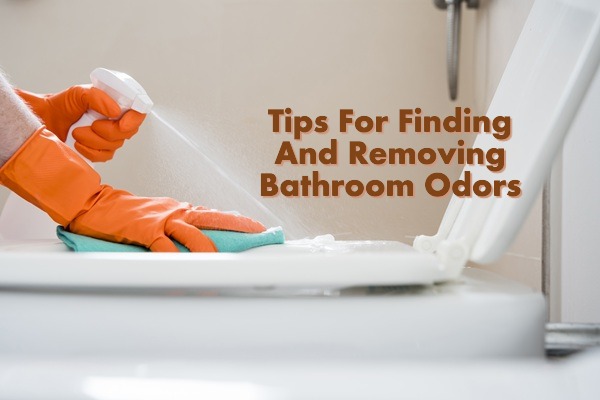
In this guide we will address bathroom odors, what causes them and pro tips on how to fix the problem and keep odors from returning.
Air fresheners and sprays mask odors. Eliminating odors like mildew, sewer gases and other bathroom smells starts by locating the source. Many areas in the bathroom can produce odors not just the toilet.
Types of bathroom odors
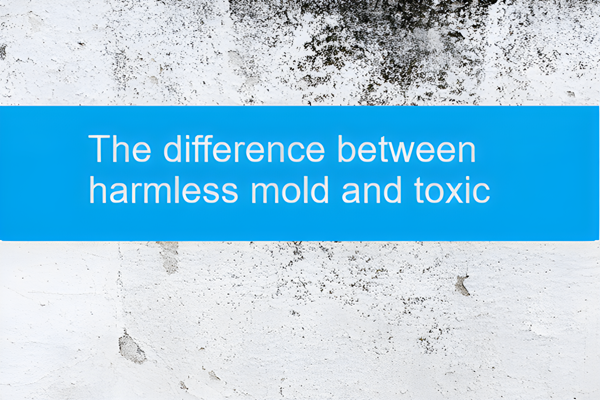
For long term removal you have to first identify the odor. Strong ammonia smell indicates urine while sewer gases have a rotten egg smell. Most musty odors are caused by mildew, mold and damp moisture.
Where the smell is coming from is also important. Check the drains in your bathroom for a sour smell that can indicate stagnant water, hair clogs, bacteria forming and scum buildup.
Odors coming from the base of a toilet bowl or signs of seepage can be a damaged wax seal. Following these signs will help point to a fix. Leaks under a toilet can also cause damage to the flooring that can result in odors.
Bathroom odors that point to plumbing or moisture problems
If you keep cleaning and continue to smell the same odors time after time this can suggest a more serious issue. Drains that constantly clog, sewage smells that come back after cleaning, visible mold and wet walls require a deeper inspection.
Water damage from leaks is costly to repair the longer you wait. If needed call a professional plumber or leak detection company to check for a possible leaking pipe behind the walls.
Areas to check that can be a source of odors
Inspect and clean toilet bolts at the base of the bowl, toilet seat hinges and the underside of the seat. The seam at the base of the toilet that meets the floor can show signs of leakage. For urine a blue light can be used to detect urine that cannot be seen by the naked eye.
Enzymatic cleaners are best for urine as they break down organic matter on non-porous surfaces. After use follow up with a bathroom disinfectant and follow the directions for use. Pay close attention to wall base, behind the toilet and any remaining hardware.
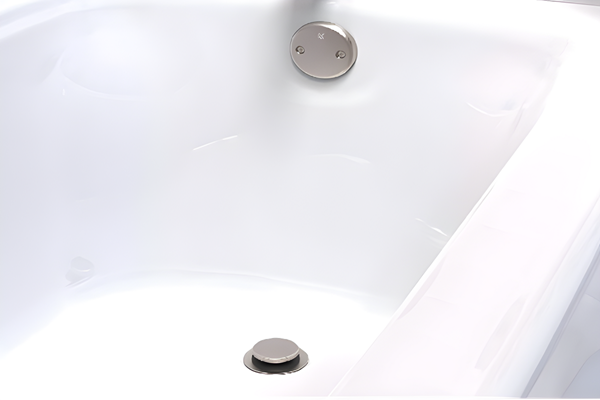
Odors in drains overflows and p-traps
Sinks showers and bathtubs have drains overflows and p-traps that accumulate soap scum, and bacteria. These need cleared of hair, debris and if possible brushed out if they start to smell.
At minimum flush with very hot water or remove the drain and clean with a brush. Drains can also be sprayed with disinfectant. Floor drains are known for stagnant water that can smell pretty bad so flush these out too.
Mildew mold and soap scum
The number one cause of odors in a shower is the shower curtain. Mildew and mold form here the most. The curtain needs to be washed on a regular basis along with scrubbing walls, grout and caulking of soap scum.
Drying these areas after showering can help too. Ventilation is very important. Most bathrooms have an exhaust fan or a window for ventilation of moisture. Mold can breed fast in a moist humid environment without proper ventilation.
Preventative Bathroom Maintenance
Regular maintenance can stop most bathroom odors. Inspect and check for water leaks monthly. Repair any leaks in a timely manner before rotten wood drywall or mold cause odor problems.
Remove wet towels and bath mats from floors and wipe down showers after use. Clean shower curtain regularly. Schedule weekly cleaning using a disinfectant on non-porous surfaces. Pay close attention to the toilet and surrounding areas. Daily routines of cleaning and proper ventilation will eliminate the odors in your bathroom.
By CW Mathews