How To Troubleshoot Dishwasher Problems
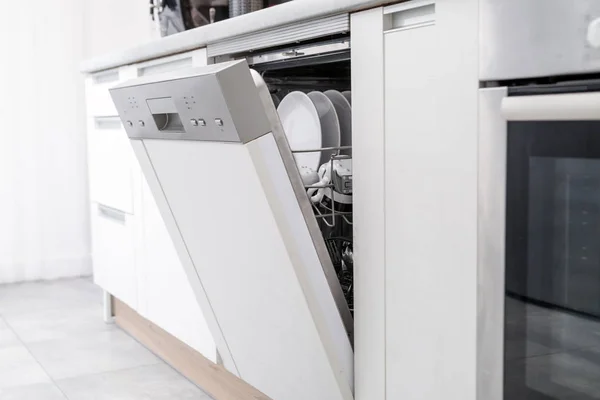
To troubleshoot dishwasher problems it helps to understand the basics of how a dishwasher operates. Here are the basics:
Once the dishwasher cycle is selected
• A water valve adds water to the machine.
• The water is heated to a preset temperature.
• At the appropriate time the detergent dispenser is automatically opened.
• Water is jetted out of spray arms mixing the detergent to get dishes clean.
• The dirt water is drained normally into the sink drain through a hose.
• The water valve opens again and adds clean water into the dishwasher.
• The spray arms rinse the dishes and the machine drains again.
• Heating elements heat the air inside the dishwasher to dry the dishes.
Now that you know how a dishwasher basically works this guide will help you troubleshoot issues with dishes not cleaning, water not draining and other problems effecting the performance of your dishwasher. Before performing repairs on a dishwasher always turn off the water supply and power at the breaker.
When troubleshooting a dishwasher always review the owners manual which in most cases has a troubleshooting section. Follow the manufacturer’s instructions for basic cleaning and adjustments including when to call a qualified appliance technician.

Start with checking the basics
If your dishwasher isn’t working before you start servicing or changing parts begin with checking the basics. An unlatched door or paused selector can look like a major problem when it really is a minor fix.
Dishwasher will not turn on
Check to make sure that the appliance is plugged in and the circuit breaker hasn’t been tripped. Repeated breaker trips require the help of a professional. If you smell burning, see any sparks or frayed wires turn the machine off at the breaker and call an appliance technician.
Check that the door closes without any obstructions and latches properly then if the dishwasher has a child lock check it too. Next cancel any program that was set and run a test cycle. If you get any error lights or codes record them. Refer to the owner’s manual to diagnose error codes. If you keep getting the error or the machine still doesn’t work turn it off
Low water flow can affect filling of the dishwasher and cleaning. The water supply shut-off for a dishwasher is normally located under the kitchen sink. Locate the shut-off valve and make sure it is open, the hose isn’t twisted or kinked and there are no leaks.
Dishwasher not cleaning properly
A dishwasher not cleaning can be attributed to several issues including restricted water flow from a clogged filter, poor loading of dishes, the wrong soap and hard water. The first thing you want to check is if the tub has dirty standing water in it.
If it does remove the filter per the owner’s manual. Rinse and clean the filter using a soft brush to clear the filter mesh of any debris. The filter Is located at the bottom of the dishwasher tub.
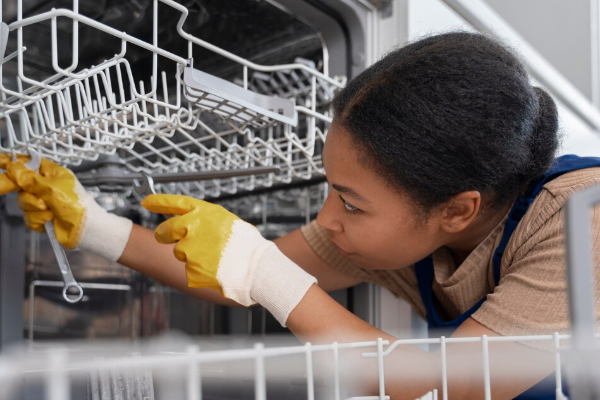
Cleaning the spray arms
Your dishwasher should have a top and bottom spray arm. The spray arms distribute pressurized warm water to remove food particles, grease and other debris from your dishes. Over time the spray arm holes can get clogged with food particles, mineral deposits and other debris that negatively effect the cleaning process.
The owner’s manual should have a section that explains how to remove these spray arms and clean them. Follow the manufacturer’s instruction for your model dishwasher.
Other tips for better cleaning of dishes
Space your dishes in the racks and if possible face the dirty side towards the spray jets. Do not nest bowls and cups. Make sure tall items don’t block the spray arms.
Never use regular dish soap in a dishwasher. Use automatic dishwasher detergent following the directions for dosage. Test to make sure the detergent dispenser opens during a cycle. If needed you can use rinse aids to reduce spots. Most rinse aids also help with drying your dishes.
Troubleshoot dishwasher not draining
When a dishwasher doesn’t drain you will find water remaining in the tub, visible food particles and dirty water. For safety it is best to remove the dirty water before reaching into the tub to remove debris and turn off the power at the breaker.
If you hear grinding or humming coming from the pump it may be damaged or the impeller may need inspection. In this case a professional appliance technician should be called to inspect the pump and impeller.
If the pump is fine, once standing water is removed from the tub clean the main filter as instructed in the owners manual. Carefully inspect and remove any blockage in the sump and drain areas. For safety be aware that broken glass and other sharp objects can be inside the sump for this reason safety gloves that protect against sharp objects should be worn.
Inspect the drain hose and sink connection
Next check the drain hose for binding, kinks and blockages. If the hose connects to a garbage disposal, confirm that the dishwasher inlet knockout plug was removed during installation. If the plug has been removed, check the hole for blockage by food or sludge. First make sure the garbage disposal is unplugged and the breaker is shut-off. Also check the garbage disposal and sink drain for blockages.
Dishwasher leaks
Dishwasher leaks should not be ignored. Water can damage wood cabinets, flooring and walls. Inspect the door gasket first to make sure it seals. Also check that the latch is locking properly and if it needs to be adjusted. As mentioned before do not use regular dish soap in your dishwasher as this can also cause your dishwasher to leak.
A misaligned door can be a cause for a leak along with clogged filters and over filling of the tub. Leaks can also come from the drain hose, pump and other seals. An inspection and looking for signs of leaking can help you pinpoint the cause of your leaking dishwasher.
Checking and unclogging the dishwasher air gap
A dishwasher air gap prevents dirty water from flowing back into the dishwasher during waste water discharge. A clogged air gap can cause water to spill onto your sink and counters, cause odors or affect the performance of your dishwasher.
To unclog the air gap turn off the dishwasher and remove the cap from the air gap. Inspect for food particles to be blocking the air gap. If you find any food particles remove them by wiping with a paper towel. You can also clean the air gap by using a pipe cleaner. Insert the pipe cleaner into the air gap inlet and outlet to clean debris from the air gap.
Finally run the dishwasher through the rinse cycle to check the operation of the air gap.
By Leo Rosa