
Troubleshooting Refrigerator Problems
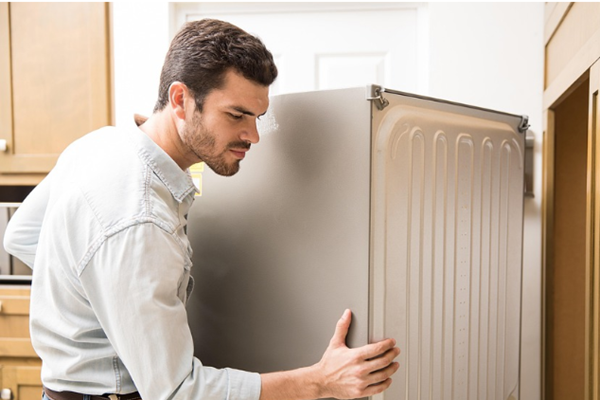
How to troubleshoot and repair common problems with your refrigerator fast. Our guide will show you step by step action you can take to keep your refrigerator running smoothly. There are some basic checks simple fixes you can do yourself before calling out a professional appliance technician.
Make sure your refrigerator has power
Is it plugged in? Check to make sure the plug is secure in the electrical socket. Also check the outlet by plugging another appliance like a blow dryer into the socket to test if it is working.
If it is not working check the breaker to see if it is tripped. The breaker or fuse box can either be found in a closet, the garage or in the basement. Sometimes they are mounted on a wall behind a door. If tripped shut the breaker completely off then back on again.
Older homes have a fuse box with individual fuses that screw into the box. Locate the fuse labeled kitchen and replace with a new one if blown.
Troubleshooting modern refrigerators
Modern refrigerators have diagnostic panels or lights that indicate what is wrong with the refrigerator. Typical found inside the door. The appliance manual will tell you what the lights mean and how to correct the problem.
Sometimes unplugging a modern refrigerator for 5 minutes then plugging it back in will reset the fault.
If problems persist write down the model number found on a label inside the door and check the internet for solutions that can point you towards a fix.
Simple cooling issue check
A cooling issue can be as simple as adjusting the thermostat temperature for the refrigerator and freezer. Set the refrigerator to 37 degrees and the freezer to zero. Wait 2 hours and then check the temperature of both using a thermometer. Place the thermometer on a rack in the center of the refrigerator cabinet for at least 20 minutes before checking. Do the same for the freezer.
Solving refrigerator frost build-up
Some frost is normal but if the walls of your freezer or refrigerator get heavy frost or ice build up the unit needs to be defrosted. Most refrigerators have a defrost timer while older models may require a manual defrost. To defrost manually unplug the refrigerator for an hour. Remover food to a cooler while defrosting.
You can also speed up the manual defrost by using a blowdryer on high heat. This is particularly effective on older models of refrigerators and freezers.
If this becomes a constant problem the defrost timer may need to be replaced.
Cleaning the Condenser Coils
A simple but major cooling issue is dirty condenser coils. Located on the back or under your refrigerator these coils can accumulate dust dog and cat hair and other debris. Condensing coils allow heat to be removed from the refrigerator. if these coiles are clogged with dirt and debris the coils cannot function properly.
Cleaning the coils with a vacuum brush attachment can solve most performance and cooling issues. For difficult to reach areas of the coils use a can of condensed air to spray the coils clean.
Checking the Evaporator Fan & Motor
The evaporator fan circulates air between the freezer and refrigerator cabinet. If the fan is stuck from ice buildup or the motor fails you end up with a warm refrigerator. If frozen by ice use a blow dryers to melt the ice build up.
There is a cover on the back wall of the freezer. Remove the screws and cover to reveal the fan. Try spinning the fan and listen for the motor to run. If bad then replace the motor and you can probably reuse the fan blades.