Cleaning A Stained Shower Pan
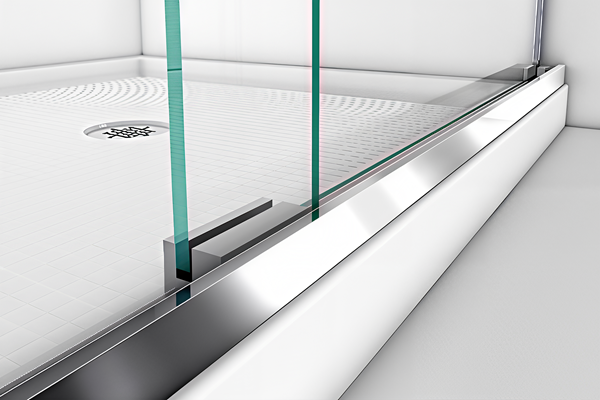
Cleaning a stained shower pan without damaging the surface requires the use of the right chemical and procedures. Soap scum, hard water spots, mold and mildew, and rust stains can make your shower pan look dull and dirty even after cleaning. Using the wrong cleaners can also scratch and etch the pan damaging it.
This guide will help you remove stubborn stains, repair scratches and seal a porous shower pan using the correct methods and chemicals used by professional cleaners.
Types of shower pans
There are 3 types of shower pans they are acrylic, fiberglass and enamel. Shower pans can also be made out of tile or stone. We will focus on the hardest to clean in this guide. Each type of surface has specific cleaning methods and compatible chemicals that are to be used for cleaning.
If you are unsure of the material your shower pan is made of look for the model and manufacturer stamp located on the pan. Keep in mind acrylic and fiberglass shower pans can be easily scratched while the enamel pans resist scratching but can also chip. Fiberglass pans are also porous and readily absorb stains especially from hair dyes used in the shower.
If you know who the manufacturer is and have a care manual observe the instructions for cleaning listed in the manual first.

Before you start
Always use soft products on your shower pan surface. As mentioned earlier fiberglass and acrylic can easily scratch so do not use abrasive pads, powders or stiff bristle brushes while cleaning. To avoid damage when cleaning always start with mild chemicals such as detergent and dish soap before applying harsher chemicals.
Targeted chemicals are used to remove soap scum, hard water spots and rust. It is important to identify which type of stains you are working with before purchasing any chemicals. Read the product label thoroughly and the manufacturer’s care guidance before applying anything to your shower pan surface. Follow all safety precautions listed on the product.
*** A note about cleaning glazed tile. Cleaners for tile can often damage nearby grout or stone surfaces. Avoid using vinegar and any other acidic cleaner unless the care instructions or manual says that it is safe to use.
Check the care instructions for enamel shower pans
Enamel surfaces require special care too. While enamel is resistant to scratching it doesn’t mean that enamel can’t scratch. Use soft materials, mild detergent and dish soap first for routine cleaning. If you are not sure what chemicals can be used on enamel check with the manufacturer of the pan and test the chemicals in a hidden spot first.
Dish soap and compatible over the counter bathroom chemicals help to loosen body oils and everyday residue like soap scum. Make sure you rinse well when using these chemicals. Wear gloves and eye protection for safety.
Use the right cleaners for mineral deposits, rust and soap scum
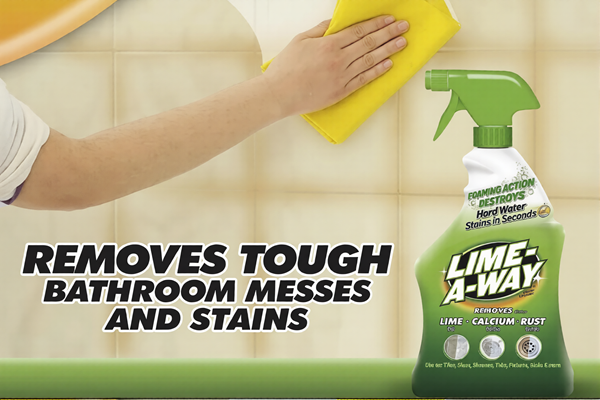
Hard water spots lime scale and soap scum require specialty products to remove the stains. Lime A-Way is a great product for removing hard water spots, calcium, limescale and even rust. Lime A-Way is safe to use on enamel, fiberglass and acrylic following use instructions exactly. Note: Acid-based mineral removers should only be used when both the shower pan manufacturer and the cleaner’s label permit their use. Test in a hidden area of the pan first.
Soap scum and mildew removal products are readily available in the cleaning aisle of any hardware store. (Do not use Lime A-Way on stone products).
A rust color is typically orange to red and is caused by metal cans or other metal objects that are sitting on the pan. The two products that are used to remove rust stains are CLR Lime A-Way and Loctite Naval Jelly Rust Remover. First remove the object that is causing the stain then confirm that the product is safe for the pan and avoid abrasive tools that could scratch the surface or spread the discoloration.
Repairing scratches, cracks and chips in shower pans
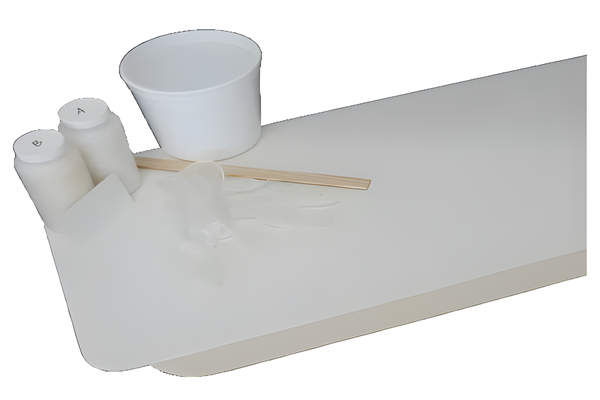
If your acrylic, fiberglass or enamel shower pan shows signs of scratches, chipping and cracks there are repair kits available to fix this kind of damage. Plastic scratch repair kits can be used on acrylic and fiberglass to reduce or eliminate the appearance of scratches. Many of these kits also come with a sealer to repair porous shower pans reducing stains.
Kits are also available for minor spider cracks, chips all the way up to large cracks in shower pans. These DIY repair kits are easy to use and come in colors to match your fixture. A good place to look for one of these kits is US Bath Products. If you are not too keen on repairing the damage yourself you can find a professional refinisher to do it for you.
Routine cleaning of your shower pan
Keeping your shower pan clean and stain free begins with regular cleaning. Weekly cleaning with a mild detergent and water mixture is a must. Removing small stains before they get bigger and sealing porous pans on a bi-annual schedule will help reduce the amount of staining. Not using things like hair dyes in the shower will also help.
By Peter Carr