DIY Replacing A Bathtub
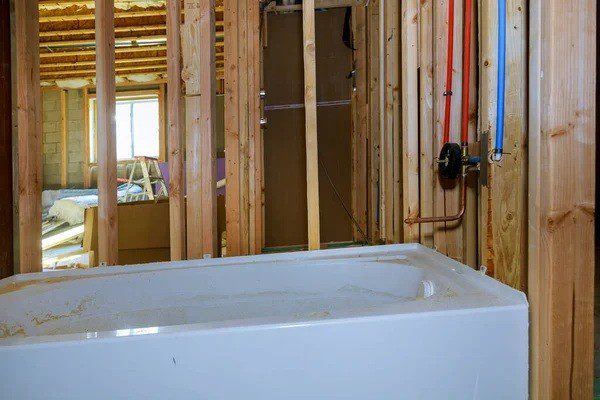
Replacing a standard porcelain enamel bathtub requires some plumbing and drywall skills. For most replacements this can be a do-it-yourself project. It is best to use 2 people for any heavy lifting during this project.
The first requirement is to assess the job. Are the walls covering the bathtub tile or some other material?. If tile a few rows of tile need to be removed to lift the tub out be careful if this is old tile that is hard to replace. If sheet vinyl or a sectional surround is install above the bathtub these must be removed first before removing the old bathtub.
Measuring the bathtub
Measure the old tub once the tiles or wall enclosure and any drywall is removed. Measure the length from top edge to edge. Measure the width from the same and the height of the bathtub from the floor all the way up to the top edge. Write these measurements down you will need them for purchasing your replacement bathtub.
New bathtubs can be purchased from most hardware stores like Lowes or Home Depot or you can shop for one online and have it delivered to the job site. If ordering online be sure to double check your measurements.
Removing the old bathtub
You will need to remove some plumbing first starting with the overflow cover just above the bathtub drain. Then remove the tub water spout, water control lever and cover.
The spout is either a twist off counter clockwise or a compression fit in which you will need an allen wrench to remove. Next remove the drain from the bathtub. To do this you will need a drain removal tool called a Drain Plug Tool available at your local Lowes or Home Depot store. Carefully remove the drain from the bathtub.
Now remove any water board or drywall that may be overlapping the edges of the bathtub and at this point you should be able to lift the tub out starting on one side.
Ask someone to help you if needed. Avoid damaging any plumbing or waterlines.
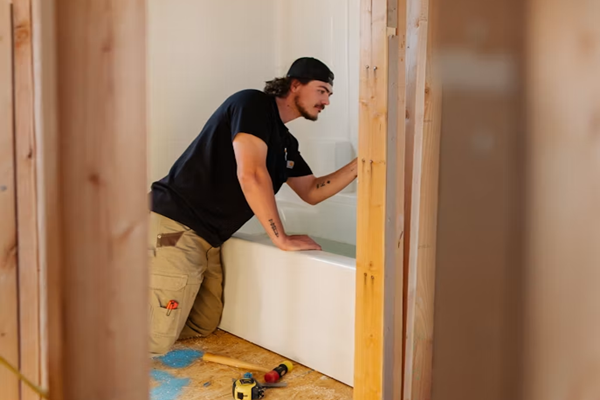
Installation tools and materials needed
• A pry bar
• Hammer
• Screwdrivers
• Wrench or pliers
• New bathtub
• Waterproof membrane or water board
• Caulking
• Teflon tape and connectors
Safety
Turn off the water at controls. Wear safety glasses and gloves. Clear the area of all debris. Find help to remove heavy objects and wear a back support belt when lifting.
Installing the new bathtub
Measure and install any missing or damaged drywall. If installing new tiles be sure to install new water board for reinstalling the tiles. These materials should extend to the edges of the tub so tiles or other wall coverings can overlap the tub edging.
If you will be installing all new drywall make sure the installation area is smooth and level. Clean the area thoroughly and then set the new bathtub into place. Make sure the tub is centered and level. You can use wooden shims to level if necessary.
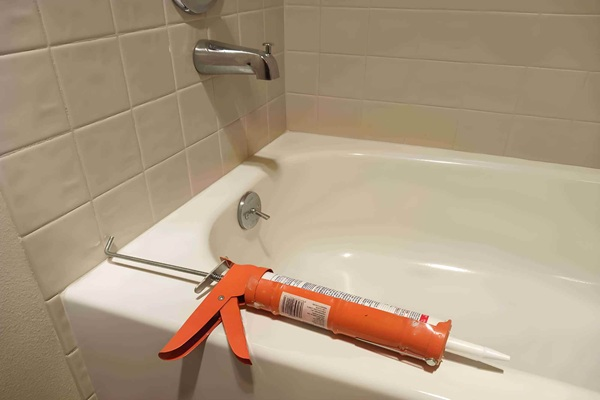
Connect the drain and overflow first, then install the drywall, wall board for bathtub surround or tiles. Seal the edges of the tub with high-quality caulk or grout tiles to prevent water leaks. Follow the manufacturer’s instructions closely for best results. Install the water spout, shower water controls and showerhead when finished.
Disposal of old bathtub and final inspection
Properly dispose of the old bathtub if possible by recycling the metal. If not possible to recycle place in a landfill. Inspect the installation for proper fit of plumbing fixtures, fill bathtub with water and test drainage. Once walls or tile are installed properly caulk the bathtub.
By Leo Rosa