How to find water leaks in your home
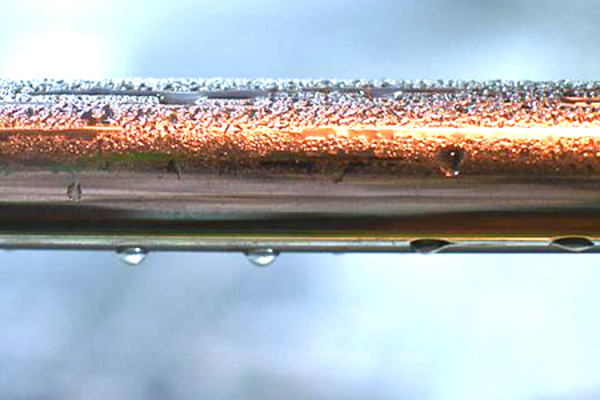
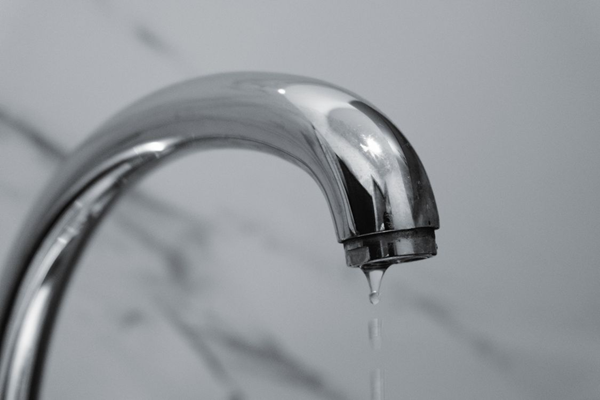
Water leaks can add $5 to $100 a month to the average water bill. Even small leaks like a dripping faucet can add up. You could be paying hundreds of dollars a year for wasted water and causing expensive water damage to your home.
This guide will help you identify and locate water leaks in your home. Some of these leaks can be found with visual clues and others will require the help of a professional to find them.
Do you know your monthly water usage?
Most people have no idea how much water they use in a month. In fact the average person may only glance at their water bill when it arrives in the mail.
Your water bill has a graph that shows your water usage over the past 12 months. This is very helpful in detecting water leaks especially large leaks in the thousands of gallons but first you have to know how much water your household uses per month.
You can average it out or your water company can figure it out for you. Once you know the average usage you will be able to detect large spikes in water usage that may be due to a water leak.
How you can detect water leaks
There are water leaks you can detect yourself without the use of a professional.
Look for water stains and rotten material
Water stains can be yellowing or dark spots on ceilings and walls. damp spots, warping of wood or peeling paint.
Sudden jump in your water bill
Review your water bill monthly looking for excessive water useage. Even small leaks waste hundreds of gallons of water a month. Busted pipes under ground can leak without showing any signs but will show up on your bill.
Listen for dripping or running water
Turn off appliances and any other items that make noise in your house. Listen for dripping or hissing sounds coming from the pipes in your walls. Check the toilets in your home to see if they are leaking water into the bowl from a bad tank flapper.
Standing water is another sign there may be a leak.
A musty smell mildew or mold
If you see mold growing and a musty smell in your bathroom or under sinks inspect the water connections for the faucets. Damp or moldy walls are another sign of moisture that could be a leaking pipe behind the wall.
Wash rooms and basements
Check your washing machine water connections, refrigerator ice maker fill lines and dishwasher connections for leaks including any waterlines in your basement.
Attics and Roofs
Check for leaking water heater connection or if your water heater is connected to solar panels on the roof check for leaks there too.. If you have fire sprinker heads check those also. Look for wet sheetrock or damp insulation in your attic space. Mold can be another sign of a water leaks in attic spaces.
Professional leak detection services
If you have found signs of a water leak but could not locate where it is coming from not to worry there is professional help available. A leak detection company or plumber has specialized tools to find leaks fast.
Professionals use cameras, sensitive listening devices and thermal imaging to find water leaks without having to open up walls. Acoustic listening devices can hear water dripping or hissing from a cracked pipe behind a wall or underground and locate the leak within a couple of feet or less.
Mold health warning
Mold caused by water leaks especially black mold is hazardous to your health. Mold causes respiratory problems like allergies, breathing problems and serious health issues left untreated. Most molds can be easily treated with bleach but black mold must be handled by a professional. There are mold test kits available online to determine what type of mold you have in your house.