How to Get Rid of Ticks from Your Home Tick Removal Guide
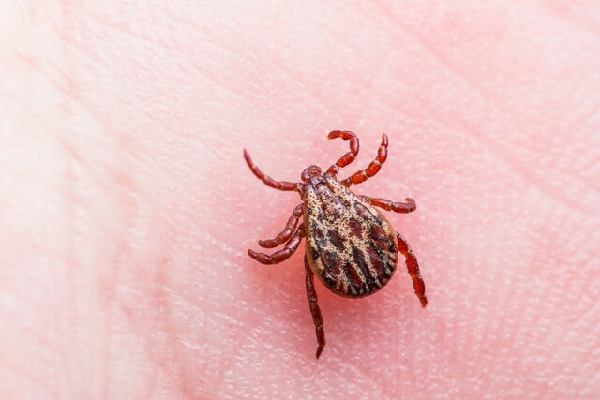
Ticks are a very common pest that can be found anywhere from your backyard to the woods.
They have been known to carry Lyme disease and other tick-borne illnesses, which is why it’s so important to know how to get rid of ticks as quickly as possible.
In this blog post, we’ll cover how you can find them and how you can remove them from your body.
What are Ticks?
Ticks are blood-sucking parasites that attack warm-blooded hosts and feed on them. Ticks can infect people and animals with germs, viruses, and protozoans that might cause illness.
They can be found in nearly every corner of the world and their bite is often painless, which makes them hard to spot.
Ticks can carry a number of diseases, including:
- Lyme disease.
- Tularemia.
- Ehrlichiosis.
- Rocky Mountain spotted fever.
- Anaplasmosis.
- Babesiosis.
Other diseases carried by ticks include:
- Colorado tick fever.
- Powassan virus.
- Southern tick-associated rash illness (STARI).
- Tick paralysis.
- Spotted fever.
- Relapsing fever.
- Heartland virus.
Ticks are small and difficult to spot until they have had time to feed on your blood. They then become larger and more visible.
The Life Cycle of a Tick
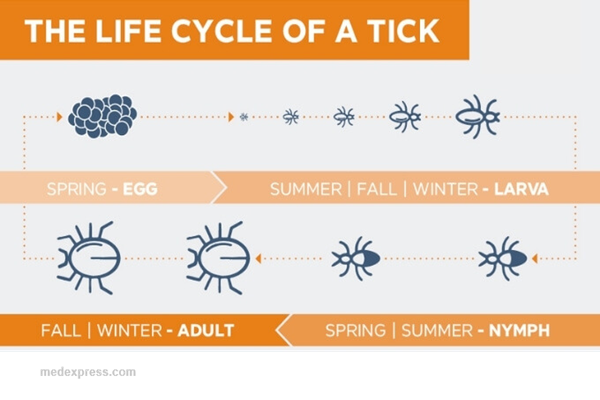
Ticks go through four different life stages: egg, six-legged larva, eight-legged nymph, and adult.
To survive, adult ticks must consume blood at every stage in their life, starting from when they hatch from eggs.
Ticks that require this many hosts can take up to 3 years to complete their full life cycle, and most will die because they don’t find a host for their next feeding.
What Do Ticks Look Like?
Ticks are tiny bloodsucking parasites. They may be as tiny as a pin’s head or as huge as a pencil eraser in size. Ticks have eight legs. They’re arachnids, which are spiders’ cousins.
The different kinds of ticks can range in color from shades of brown to reddish-brown and black.
As they take in more blood, ticks grow.
Ticks come in a variety of colors, ranging from brown to reddish-brown and black. Ticks expand in size as they feed on human blood.
Ticks that need numerous hosts can up to 3 years to finish their full life span and generally will die because they’re unable to find a host for their next meal.
Where Do Ticks Live?
Ticks are found in wooded areas, bushes, high grass, and leaf litter. Ticks can also be found on animals, such as deer, dogs, and cats.
Ticks attach themselves to their hosts by burrowing their heads into the skin. Once they’re attached, ticks will feed on their host’s blood for several days.
They’ll settle down in overgrown patches in your yard, woodpiles, and even bird feeders.
Causes Of Tick Infestation?
Ticks can enter your home in a variety of ways, one tick may bring many more.
If there are wooded or bushy areas close to your home, and if you’re outside when it’s warm, then it’s possible for you to come into contact with a tick.
The tick will attach to any clothes or skin it can find and then insert its head into your body.
Ticks enjoy hiding in dark, protected areas like wood piles, leaf piles, and scrub brushes.
Ticks can attach themselves to any part of the body, including:
- the groin
- under the arms
- inside the ears
- in the hair
- inside the belly button
- behind the knee
Ticks can also attach themselves to your pets, especially dogs. Since ticks are usually small, it can be hard to see them on your body or in your pet’s fur.
Signs of Tick Infestation in Your Home
Ticks can be found in wooded areas, bushes, high grass, and leaf litter. Ticks can also be found on animals, such as deer, dogs, and cats.
Ticks attach themselves to their hosts by burrowing their heads into the skin. Once they’re attached, ticks will feed on their host’s blood for several days.
The most common sign of a tick infestation is finding ticks on your body or in your home. Ticks can be as small as a pinhead, so they can be hard to spot.
Other signs of a tick infestation include:
- Finding bites on your body that you didn’t notice before
- Seeing bloodstains on your bedding or clothing
- Finding ticks in your home
- Your pet scratching itself more than usual
If you think you might have a tick infestation, it’s important to call a pest control company right away.
The ticks in your yard are likely the result of regular visits from feral cats, rabbits, mice, and squirrels.
Ways to Get Rid of Ticks Naturally
There are a few different ways to get rid of ticks from your yard, but the most important thing is to be vigilant and check for ticks regularly.
If you’re looking to avoid harsh chemicals, here are some natural methods for your tick control:
- Eat Garlic
- Try Cedar Oil Spray
- Homemade Tick and Insect Repellent
- Eucalyptus Oil
- Neem Oil
- Apple Cider Vinegar
- Certain Aromatherapy Essential Oils
Treat Your Animals for Ticks

There are a variety of natural tick repellents on the market that are safe to use on animals. Check with your veterinarian to find one that is right for your pet.
Apply it according to the directions on the package, and be sure to reapply it regularly, especially if your pet is going to be spending time outdoors.
Protect your pets from ticks
Wear Proper Clothing
You can also help protect your animals by dressing them in clothing that covers their exposed skin.
There are a variety of options available, from flea and tick collars to special suits that provide complete coverage.
Address Conducive Conditions
Ticks thrive in areas with tall grass and dense vegetation, so make sure you keep your yard trimmed and clean.
If you have woods on your property, keep your animals away from them as much as possible.
And, be sure to check your animals thoroughly after they’ve been outside, paying close attention to their ears, neck, and belly where ticks like to attach themselves.
Use Your Dryer to Kill Ticks
One of the easiest ways is to simply throw it in the dryer on high heat for about 15 minutes. The heat will kill the tick and prevent it from being able to attach itself to another host.
You can also remove ticks with tweezers or a specialized tool designed for tick removal
How to Treat a Tick Bite Properly
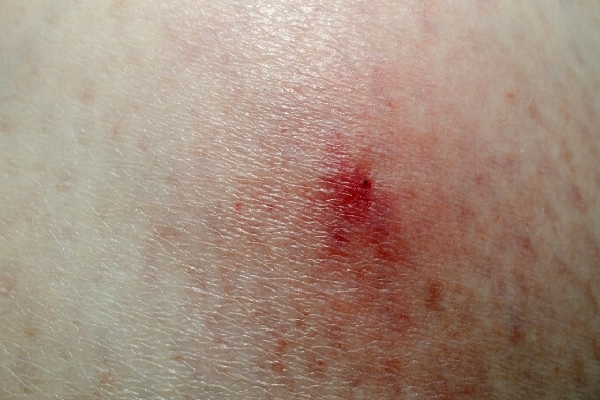
If you find a tick attached to your skin, it’s important to remove it properly to reduce the risk of infection.
The best way to remove a tick is with fine-tipped tweezers. Gently grasp the tick as close to the skin as possible and pull it straight up with steady pressure.
Avoid crushing the tick, which could release infected fluids into the wound. Once the tick is removed, clean the area with soap and water and disinfect the tweezers with rubbing alcohol.
How To Remove And Kill Ticks On A Dog Instantly
If you’ve ever found a tick on your dog, you know how important it is to remove it quickly and safely. Here’s a quick guide to removing and killing this pathogen on your dog.
- First, it’s important to have the right tools on hand. A pair of fine-tipped tweezers or a tick removal tool will do the trick.
- Next, you’ll want to disinfect the area around the tick. So that they don’t reproduce and also fight infection.
- Once the area is clean, gently grasp the tick as close to the skin as possible and slowly pull it out. If the tick’s mouthparts are left behind, don’t panic.
- Just grab a pair of needle-nose pliers and gently remove them. If you can’t get them out, don’t worry – they will eventually fall out on their own.
- Finally, once the tick is removed, dispose of it immediately. You can either flush it down the toilet or place it in a sealed bag or container before throwing it away.
And that’s it! With a few simple steps, you can remove and kill ticks on your dog – and help keep them healthy and happy.
Frequently Asked Questions
How long do ticks live?
Ticks can live for a very long time depending on the species and the climate conditions. The common dog tick, for example, can live up to 3 years without food. In general, ticks can survive without a blood meal for several months to over a year.
What ticks cause Lyme disease?
The deer tick or black-legged tick (Ixodes scapularis) is the primary carrier of Lyme disease in the United States. This tick is found in wooded areas of the Northeast and upper Midwest, as well as some parts of California.
What is the best way to kill ticks?
Heat has proven to be effective at killing ticks. Besides over the counter tick remedies the use of a professionl pest control application on a regular basis will help kill ticks in your yard and home.
By CW Mathews