Pet Friendly Pest Control

Pets are a huge part of the family, so pet-friendly pest control is essential. If you have any outdoor pets, like dogs or cats, you will want pet-friendly pest control solutions that are safe for them.
Most pet owners want to protect their furry friends from toxic chemicals and find a safe way to get rid of pesky bugs in their homes.
Here in this article, we will discuss some pet friendly pest control options and how to use them around your animals safely.
What is Pet Friendly Pest Control?
In-depth pest management is an environmentally conscious management approach. For traditional pest control, a normal spray of pesticides is used.
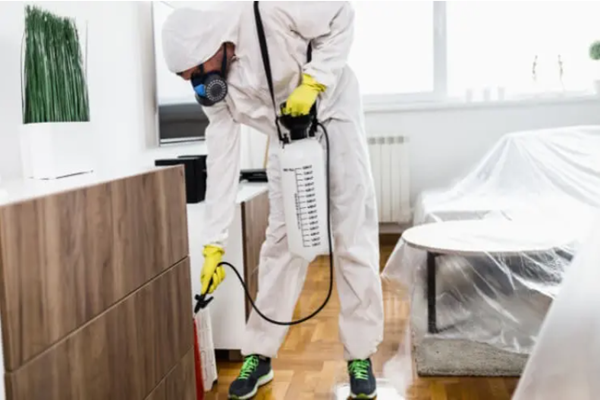
Many pest control companies offer both efficient and safe application for homes with pets that are ethical and efficient.
Pet-friendly means the company uses non traditional pesticides that are safe for pets and humans. There are also over-the-counter products you can buy to apply yourself.
Signs a Pest Control Service is Pet-Friendly
Pet friendly pest control companies will state this in their advertising and will show that they have references and experience in this type of service.
You should be able to check their references, Better Business Rating and reviews on their website. Look for a focus on safety for your pets and posted guidelines they follow to assure that no pet is harmed during treatment.
Some may be certified but certification is not a requirement.
Pests that May be Harmful to Your Pets
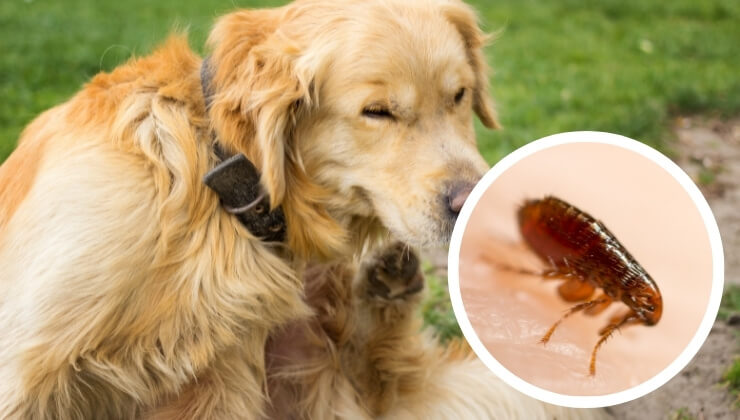
Fleas
Treatment for fleas includes more then just spraying the home and yard. A regular flea protection routine should be coordinated with your veterinarian. Flea colors and or monthly oral treatments are some maintenance procedures that should be discusses.
Mosquitoes
Mosquitoes can infect dogs and cats with heartworm larvae that can cause them sick. Dogs especially are susceptible to heartworms.
External control can help reduce the mosquito population within the grounds.
This can help reduce your pet’s exposure to mosquitoes and their bites and reduce the risk of heartworms from your pets having heartworms that can be fatal in some cases.
Ticks
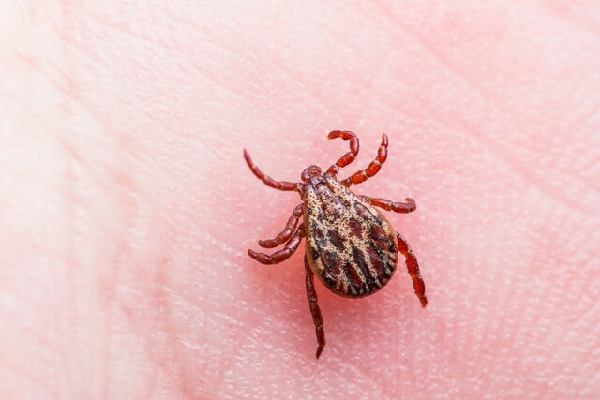
If left untreated, Lyme disease affects pets’ joints and organs. The control of the tick population can not guarantee your pets are free from Lyme Disease or other diseases.
For those who wish to minimize their animal’s exposure to ticks, proper tick control can help.
Ticks can cause Lyme disease (besides other diseases) and potentially spread to cats, dogs, and cats if they bite them.

Are Bug Sprays Safe for Dogs and Cats?
In short no, insecticides are often used for pest control, which can be toxic to pets. Some sprays may also contain citronella or lemon eucalyptus oil – both of these oils have been shown to cause eye and skin irritation in cats.
The Environmental Protection Agency (EPA) warns that repellents containing DEET may cause neurological damage in pets.
The EPA also warns that permethrin-containing pest control products may be harmful to cats and other animals and should not be used around them.
10 Tips For Being Pesticide Free
What Is a Safe Pesticide?
There are many safe pesticides on the market for pest control – but you will want to make sure they’re pet friendly before using them around your animals.
Pet-friendly pesticides have been specifically designed with pets in mind – these should not contain DEET or permethrin.
Call a pet safe pest control professional for expert advice if you need help finding the right pest control product for your dogs and cats!
Pest Prevention Tips for Pets
Preventing pests is one of the best strategies for keeping your pets safe and healthy. Below you’ll find some tips to prevent pest problems in your home:
- Store your pet food in air-tight containers
- It is best to clean up pet food as soon as you notice it on your floor.
- Check water and food bowls for pests infestation.
- Keep your pets in a fenced yard.
- Thoroughly check for fleas and ticks before entering your home to avoid bringing bugs in with you.
- Inspect toys for signs of insects
- Place screens on the windows and doors
All of these preventive measures will help protect your pets from pests that can harm them.
By CW Mathews