Electrical Safety Tips Everyone Should Know
Over 300 people die from electrical related deaths every year. These injuries or fatalities could be avoided by educating yourself on the dangers of electricity and proper safety procedures when working with and around electricity.
Every do-it-yourself electrical project should have electrical safety procedures in place and a well thoughtout plan.
Forms Of Electrical Hazard
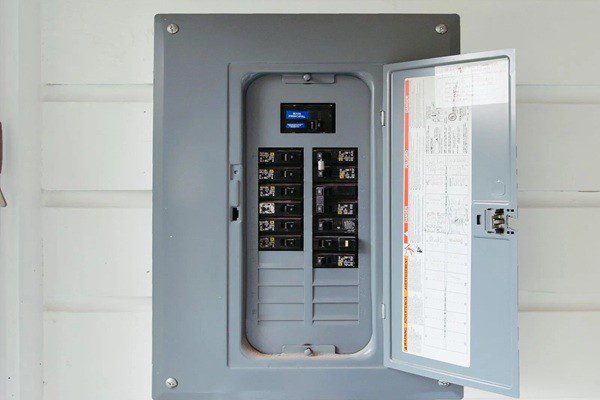
The most obvious hazard is electrical shock. Many of us have received a shock from static electricity or from a wall outlet but live wire shocks are more severe causing burns and even death. Never work with live wires always shut the power off at the breaker.
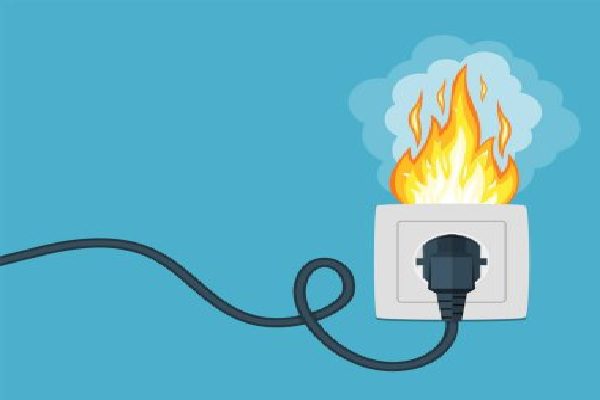
Fires are another form of electrical hazard. Circuit overloading too many appliances plugged into to an outlet or damaged wiring and insulation can cause fires. When connecting electrical wiring make sure connections are tight.
Sparking and Arc flashing can cause explosion and serious risk of injury so can faulty wiring or out dated systems.
This is why it is important to be vigilant and aware when working on electrical wiring. Many DIY repairs go wrong if not done correctly.
Warning Signs You Should Look Out For
Frequent tripping of circuit breakers. Sparking wires or power tools. Electrical outlets that feel hot to the touch. Flickering lights and burning smells. Extension cords that are not the right size or feel hot to the touch.
These are all warning sign that there is a problem. It becomes even more dangerous in wet areas lika a bathroom. Make sure all wet areas of your home are protected by GFCI plugs that are properly wired. Blow dryers, vacuum cleaners and other appliances should be properly grounded.
Safety When Working With Electricity
Protecting yourself should be a priority whenever you are working with electrical fixtures. Always shut off the breaker before doing anything and test the wiring with a multi tester to be sure the power is off.
Never handle live electrical wiring use insulated tools and make sure all electrical extension cords are grounded. Check all electrical appliances and power cords for damage. Home Electrical Safety Checklist
Lockout – Tagout
When working on electrical related projects it is a good idea to lockout the breaker and tag it with a label indicating that the breaker is off and who to contact for information. The tag also lets people know not to turn the breaker on.
Small Lockout/Tagout kits with padlocks for this can be purchased online or at your local hardware store. Get in the habit of always locking out breakers when performing electrical repairs.
Know When To Call A Professional
Know your limitations and when to seek the help of a professional electrician. If you notice arcing sparks or burning odor seek help. Repeating tripped breakers is a sign of a serious problem like a fault in the line.
A professional is highly trained to solve these type of electrical problems.
In closing only perform electrical work if you are trained. Use the correct tools and safety equipment. Hire an electrician if needed.