Driveway Maintenance Repair and Replacement
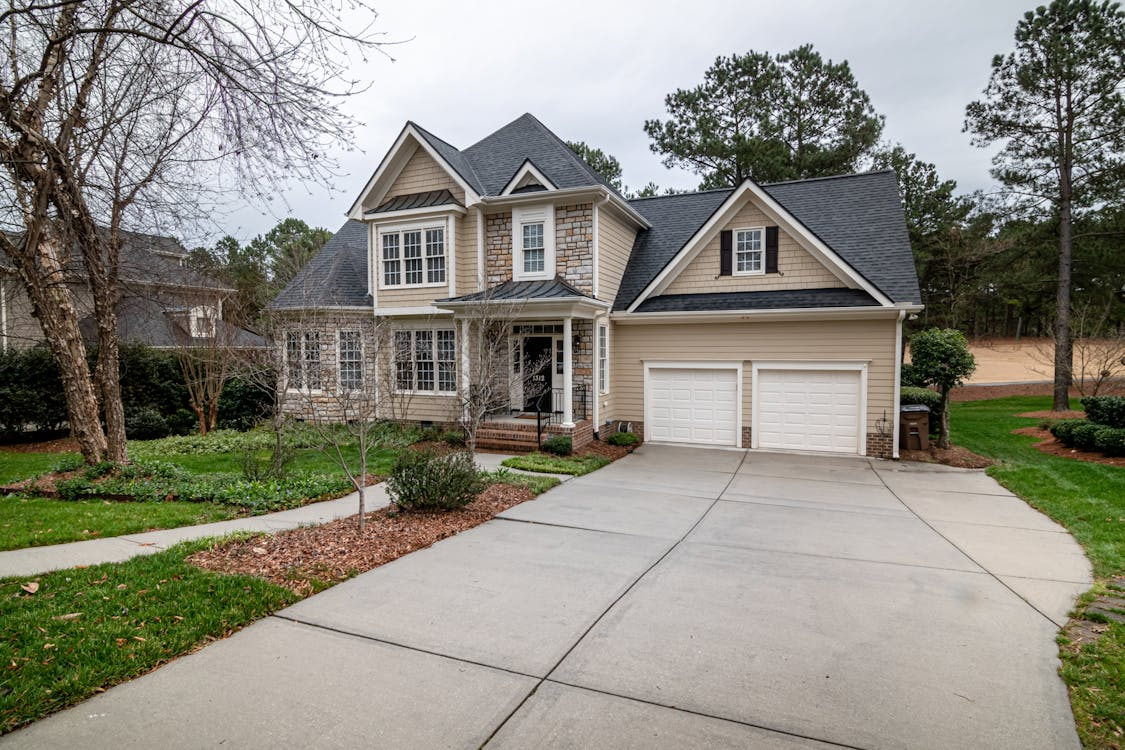
Your driveway isn’t just a place too park your vehicles. A driveway allows drainage of rain water away from your home and easy access to your garage while providing a safe path for your family.
Maintaining your driveway and repairing as needed will extend the life of your driveway and keep it in good condition. As time goes by there may also come a time when replacement is necessary. This guide will help you along the way.
Types of driveways
There are 3 types of driveways they are gravel, asphalt and concrete. Each one requires inspection at least semi-annually and in the case of gravel more often. The key is to catch problems early and avoid a full replacement which is costly..
Gravel driveways require the most maintenance. They can lose compaction develop large divots and are prone to sinking especially in loose soils. Gravel is typically used in rural areas.
Asphalt driveways can crack develop potholes flake and crumble at the edges. While somewhat cheaper to repair or replace then concrete asphalt is not cheap.
Concrete is the most durable of these materials but even concrete can be effected by soil movement and erosion. A concrete driveway can crack sink and stain easily.
Minor to major cracking
You may think minor cracking is no big deal but when water seeps into cracks during winter and freezes it expands causing minor cracks to widen.
More water intrusion can errode the soil supporting the surface and cause failures in concrete and asphalt requiring repairs to be made. Cracks can also turn into trip hazards. These cracks need to be sealed to stop cracks from becoming a major issues.
Asphalt repair sealcoat and patching
Sealcoating protects the asphalt and is a maintenance item. It should be performed every 2-3 years to protect against damage from sun and water.
Potholes can be repaired quickly using asphalt cold patch available from your local hardware store. The steps include sweeping or blowing debris from the hole first then fill the pothole with cold patch and compress with a tamper to existing surface level.
Repairing concrete driveways
There are special concrete crack fillers that target water intrusion. These include epoxy and polyurethanes applied to vr as cracks using a caulking gun. If sections of concrete are sinking from the soil under them eroding there is a procedure called slabjacking that can raise yhe slabs back into place.
Companies that perform this type of service can be found on the internet. Basically they pump foam under the concrete to raise it. This is more affordable then having to tear the slab out and re-pouring the slab.
Maintaining gravel driveways
Maintaining gravel includes filling in low spots compacting and filling in divots. Every couple years adding more gravel is required to maintain the depth.
Proper drainage must be a priority to avoid washout and erosion. Keep the gravel free of tree roots and weeds that can cause damage allowing more water to enter the soil.
Repair or replace?
Deciding to repair or replace your driveway will depend on a couple factors. The condition of the soil supporting the driveway the extent of the damage and affordability.
Starting with cost. A new driveway can cost between $3 to $20 per square foot depending on material used. Expect to pay $5000-$15,000. If the soil needs to be stabilized it will cost even more.
This is why it is so important to maintain your driveway with proper maintenance and repairs when needed. If you do need to replace your driveway careful planning and picking the right contractor will assure a smooth project.