Repair Broken PVC Main Waterline
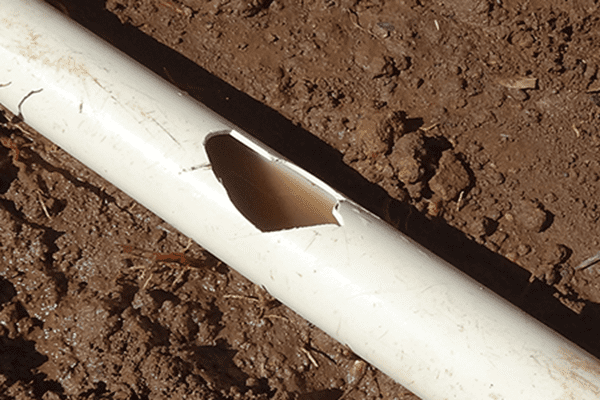
A sure sign you may have a broken PVC main waterline, high water usage or puddling water above ground. You could be paying for thousands of gallons of wasted water a week while causing damage to your property and foundation. Sharp rocks or moving soil from expansion and contraction could crack a main PVC line.
PVC is a cheap alternative to copper waterlines and is code in some states but always check your local plumbing/building codes before starting this project. Don’t put off fixing this problem. Save time by hiring a leak detection service immediately to locate the exact area of the damaged water pipe.
Best way to locate an underground water leak
A leak detection company is the best way to pinpoint a water leak. They have advanced tools to find a leak within a foot of the break in some cases. The first step is to look for signs. Standing water that doesn’t go away is a good sign you have a leak in that area of your property.
Injecting a gas into the waterline and following the pipe while listening for hissing sounds using special equipment is another. The cost for professional leak detection can run several hundred dollars or more depending on the time it takes to locate a leak.
Before You Dig Think Safety
Never dig up waterlines without first contacting utilities to mark where the gas, electrical and cable service lines are. Call 811 or your local water, gas, cable and electrical companies and have them Mark the utilities running to your house.
Use the proper tools and safety gear including work boots, long pants, gloves and safety glasses. If unsure about the depth and placement of waterlines call your local building codes department before you dig. Expose the pipe carefully as you are digging.
Types of PVC pipe damage
PVC pipes can be brittle and crack from age, ground movement, excessive pressure in the line, improper installation and glue failure.
Once you determine what happened and where the repair is needed it is time to repair the water line. Start by locating the water meter to your house and turning off the water at the valve connected to the meter. There is no need to notify your water company.
Quick temporary waterline repairs
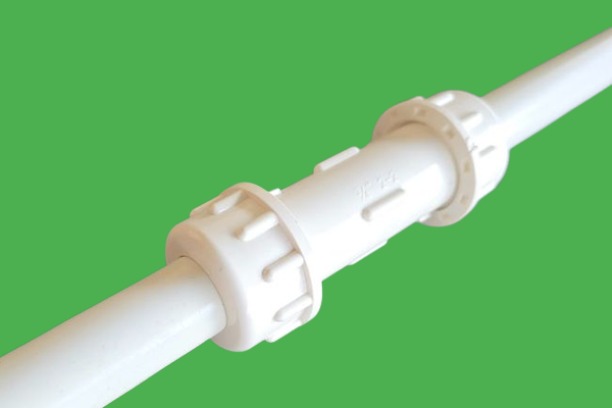
Quick temporary repairs to a main waterline will fail when the line is pressurized. Do not use pipe wraps, fiberglass wrap kits or patches when repairing a main water line break. For a quick permanent repair use a pvc compression coupler fitting as outline here.
Performing repairs to sections of damaged PVC pipe using compression fittings
Measure the PVC pipe diameter so you will know what size compression fitting to get. To get the size of the pipe measure the outside diameter of the broken pipe with a tape measure and divide it by 3.14 (PI). This size will be approximate and should be compared to a PVC size chart at the hardware store. Main line PVC pipe is typically schedule 40.
- Using a PVC pipe cutter tool cut out the damage section of PVC so that it is a little bit shorter then the compression fitting following the manufacturers instructions.
- Clean the ends of the pipe of dirt, burrs and rough edges using 220 grit sand paper until it is smooth.
- Take apart the compression fitting ends and remove the rubber gaskets then reassemble sliding the rubber gaskets and nuts onto each end of the pipe (use soap and water if needed).
- Center the fitting evenly on both ends of the pipe.
- Screw the nuts on only hand tight then double check the position.
- Snug with a pair of channel locks or a pipe wrench.
Clean-up and testing the repairs
After completing the repairs perform a pressure test. Turn the water on slowly allowing the pipe to fill with water slowly. Watch for leaks and drips at the connections. If any are found tighten up the fitting end a little more until the drips stop.
Once fully pressurized and no leaks are found back fill and support the pipe in sand. Then carefully backfill with dirt.
By Leo Rosa