Home safety-How to prevent chimney fires
According to the Chimney Safety Institute of America (CSIA) and the Consumer Product Safety Commission (CPSC) over 25000 annual chimney fires cost homeowners and renters over $123 million and they could have been prevented.
Most people never think about the danger that could be building up in their fireplace. The number one cause associated with chimney fires is the failure to maintain the structure allowing dangerous and flammable creosote deposits to buildup. Routine Inspection and chimney flue cleaning can prevent these fires from happening saving property and lives.
This guide will help you identify and fix issues with your fireplace that could cause a fire.
Cause and prevention of chimney fires
The buildup of creosote inside the lining of your wood fireplace is the number one cause of chimney fires. Creosote is a residue byproduct of burning wood and is very flammable.
It sticks to the inside lining of your fireplace and when the temperature gets very high from the fire it can ignite. The worst wood to burn is unseasoned and wet wood. The heavy smoke causes more Creosote over time and an increased chance of a fire.
Compressed wood like Presto Logs are typically safe to burn in a fireplace however burning too many at once can cause an over heated fire and ignite existing Creosote in the lining of the fireplace. Burn compressed wood only as recommended.
Professional inspection and cleaning
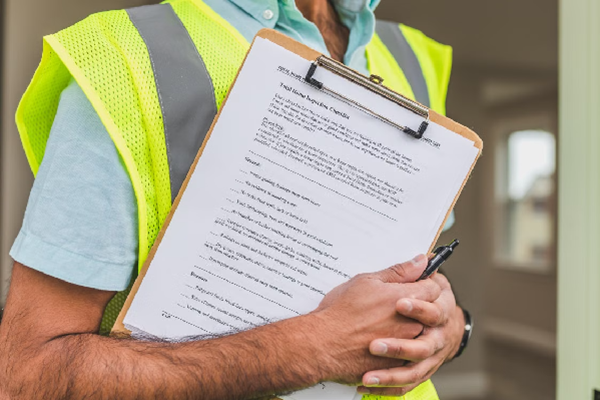
It is recommended that your chimney be inspected by a professional. A professional Chimney Sweep is trained and has the right tools for inspecting and cleaning chimneys. To be safe your chimney should be serviced at least once a year and repairs should be completed before using during the heating season.
A Chimney Sweep looks for several things when inspecting a chimney. Number one is if the chimney is structurally sound and working properly. They will look for nests or other blockages, flue operation, check the mortar, inspect for cracks and especially test for high levels of creosote buildup. When finished they will provide a report and clean the chimney if you approve.

Cleaning your chimney
It is always recommended that a professional Chimne Sweep clean your chimney as often as needed to avoid fires. How often depends on your use of the fireplace but at least annually before the heating season. If you use your fireplace regularly you may want to clean it more often.
It is not recommended that you attempt to clean your fireplace yourself. Chimney sweeps have the proper tools. You can damage the liner of your fireplace by using a vacuum or the wrong tools.
What you can do to help keep your chimney clean is burn the right kind of wood. Completely seasoned woods like oak and ash woods burn clean. Woods like pine or douglas fir scrap 2x4s or other scrap woods do not burn clean. Never burn plastics or other junk in your fireplace not only do they not burn clean they release toxic fumes when burned.
Make sure the air is flowing properly by making sure the damper is completely open before burning any fires. If smoke comes out into the room the damper is not open all of the way or you may have a blockage by a birds nest
Other maintenance items to be aware of…
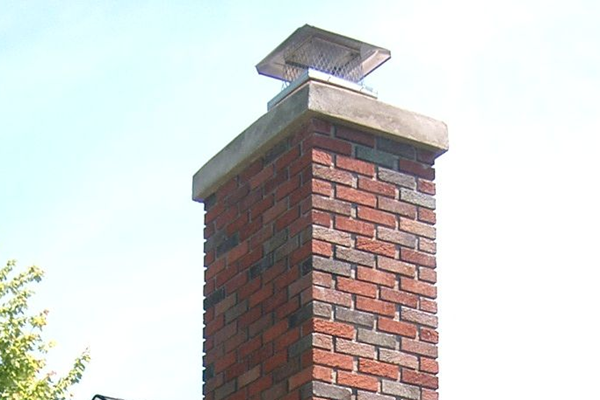
You chimney should have a chimney cap. This cap is for stopping rain and snow from entering the flue. Many caps are also designed to keep birds from making a nest inside your chimney and other critters out of your chimney..
The design works also as a spark arrestor to stop embers from causing a fire. If you don’t have a chimney cap install one. If you do check it every year before heating season to make sure it is properly in place and free of nests and other debris.
What to do if a chimney fire starts?
If a chimney fire should start in your home you will notice very loud noises coming from your fireplace. A roaring with black smoke intense heat and sparking coming from your chimney.
If a chimney fire should start immediately evacuate the home and call 911. Do not return inside the house wait for the fire department to arrive. Once it is safe have your chimney inspected by a professional.
By Leo Rosa