Patching Damaged Stucco Walls

Patching damaged stucco walls requires basic repair skills. It is a job most homeowners can tackle themselves with the right knowledge and tools. Damaged stucco can range from hairline cracks to holes and gouges. This do-it-yourself guide to stucco repair will help you restore damaged stucco correctly.
How does stucco get damaged
Stucco is a protective shell keeping the elements out of your home. Stucco is ridged and susceptible to damage from settling of your home, expansion and contraction from changes in temperature and daily stress. We have listed most of these causes for stucco damage below.
Stucco damage and causes
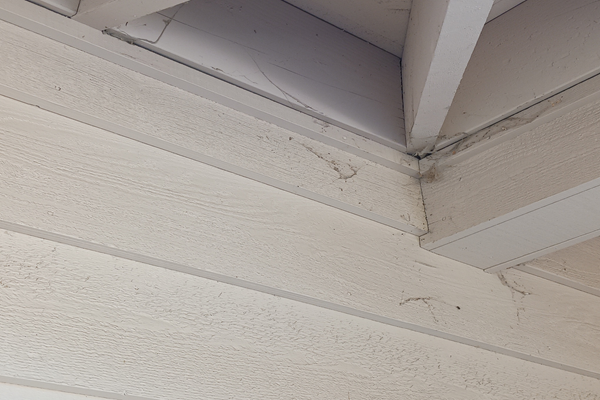
- Thin cracks: settling of the house and the normal drying process can cause minor cracking in stucco.
- Larger cracking: especially around windows and doors means there is more serious settling accuring within the structure of your house or foundation.
- Holes and gouges: are almost always caused by rocks, wind blowing branches hitting the stucco, hail, trama from items like chairs hitting the wall or other items causing holes or gouges.
- Stucco breaking off: causes include water intrusion and damage or poor installed stucco that has not bonded correctly.
- Chalking: white powder like substance on the surface of the stucco. This is caused by the stucco absorbing water then the water evaporates leaving salt. Moistures is going into your walls.
What contributes to stucco damage?
Expansion and contraction caused by extreme fluctuations in the weather is the leading cause of stucco damage. These extremes cycling over and over again cause cracking and weaking of your stucco walls.
Water getting into these cracks and other factors like leaks and porous stucco allow moisture to get trapped behind the stucco which loosens the bond causing flaking and chipping of the stucco.
Tools and materials needed to repair stucco
• Acrylic stucco patch: Premixed for cracks and minor small repairs. This product can handle flexing that comes with expansion and contraction of your home.
• Cement stucco patch: Used for large repars like big holes and areas of missing stucco. Comes in bags that you mix with water.
• Bonding agent: Needed to bond patching compounds to the old surface.
Tools
• Stiff brush
• Spray bottle with water
• Hammer
• Chisel
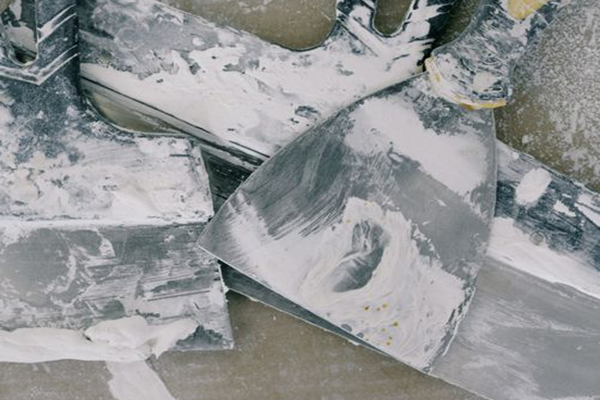
• Stucco trowel
• Sandpaper
• Plastic mixing bucket
• Safety supplies
• Drop cloth
Step-by-step repair process
Begin by making sure the repair area is clean. Using a stiff brush remove dirt old paint and loose stucco. Clean the repair area really good so the new stucco will stick.
If you have cracking grab a chisel and hammer make the cracks wider in width while creating a “V” shaped grove to accept the stucco patch. Re clean using the brush.
Using the spray bottle with water spray the repair area to moisten lightly. If patch is applied to a complete dry surface the stucco patch will have a problem adhering.
How to apply stucco patch
Always follow the directions on the container of stucco patch. Apply bonding agent per directions. Using the stucco trowel put enough patch on the trowel you feel comfortable working with. The patching material should be thick but not falling off the trowel.
If applying from a tube squeeze it into the crack and then level to the existing stucco with your trowel. If patching bigger areas use several layers to fill in as too thick will cause the compound to crack as it dries.
Matching your existing stucco texture
There are different types of stucco texture used during application they are sanded, skip trowel and smooth. You want to match the existing texture while the stucco patch is still wet.
For a smooth texture use the stucco trowel to smooth the patch blending into the existing stucco. Sandy stucco is created by dabbing with a sponge and a rough skip troweled look is achieved by creating peaks using your trowel.
Once you have matched the texture the patch needs to dry and cure. Cure times vary depending on temperature and humidity. Follow the manufacturers guidelines on the container. When dry and hard use some sandpaper to smooth the edges and blend into the surrounding stucco.
Patching major stucco damage
Sometimes you may encounter major stucco damage caused by water leaks. In this case repair the leak first. Locate the damage and if the wood behind the stucco is wet replace it. Patching over wet wood will cause rot and patch failure.
Large patches require fiberglass mesh be applied with the first coat of patch. This will strengthen the repair and protect the patch from cracking during expansion and contraction.
Performing regular inspections of your stucco will catch minor damage and help to keep major issues from developing in the future.
By Leo Rosa